Brass Catchers for Pistol Competition: Are They Worth the Investment
10/13/2025
Every competitive shooter knows the drill—you've just finished an intense practice session, your groups are tight, and your times are dropping. Then comes the inevitable cleanup: spending 20-30 minutes crawling around the range, picking up scattered brass like Easter eggs. This universal frustration has led many competitors to ask: should I invest in a brass catcher for my pistol?
The Brass Problem in Competitive Shooting
Competition shooting isn't cheap. Between match fees, ammunition costs, and equipment investments, the expenses add up quickly. For reloaders, that brass scattered across the range represents hundreds of dollars in reusable components. Even for those who don't reload, many ranges require shooters to clean up their brass, making efficient collection a practical necessity.
The Reddit discussion reveals a divided community on this topic. Some competitors swear by their brass catchers, while others find them more trouble than they're worth. The consensus seems to depend on shooting style, range setup, and personal preferences.
Types of Brass Catchers for Pistols
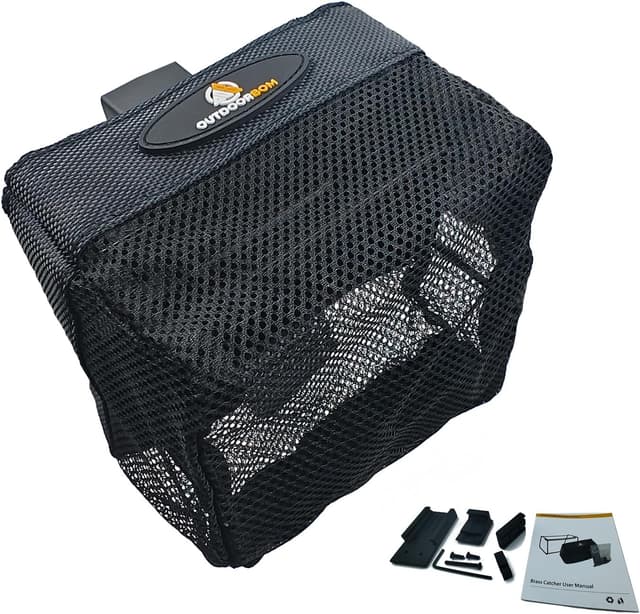
The market offers several solutions for pistol brass collection. Net-style catchers attach to your pistol's rail or frame, creating a basket that captures ejected brass. These systems work reasonably well for static shooting but can interfere with holstering and may affect the pistol's balance.
Bag-style catchers mount to shooting benches or tripods, positioned to catch brass as it ejects. These systems work better for stationary practice sessions but obviously can't accompany you during movement-heavy competition stages.
Magnetic collection systems represent another approach, though these work primarily with steel-cased ammunition. For brass cases, traditional collection methods remain necessary.
Real-World Performance Issues
Experienced competitors report mixed results with pistol brass catchers. The physics of pistol ejection patterns create unique challenges. Unlike rifles that eject relatively consistently, pistols can throw brass in unpredictable directions depending on grip, ammunition power factor, and individual gun characteristics.
Many users report that brass catchers work adequately for the first few rounds, then quickly fill up or become misaligned. The ejection pattern can also change as the catcher fills, requiring constant adjustment. This maintenance requirement during practice sessions frustrates many users who simply want to focus on their shooting.
The Caldwell Experience
The Reddit thread specifically mentions the Caldwell brass retriever, describing it as "mediocre at best." This sentiment echoes throughout the competitive shooting community. While Caldwell produces quality shooting accessories, their brass catcher for pistols seems to suffer from common design limitations.
Users report that the catcher works adequately for static shooting but struggles with consistent brass collection. The attachment mechanism can loosen during extended sessions, and the collection bag often fills unevenly, requiring frequent emptying and readjustment.
Alternative Solutions
Many competitors have developed alternative strategies for brass management. Some use tarps or old bedsheets positioned to catch most of their brass during static practice. Others focus on improving their brass pickup efficiency using tools like brass rakes or magnetic pickup devices for steel-cased ammunition.
Dedicated practice sessions with brass collection in mind can also help. Setting up shooting positions to naturally direct brass toward easily collectible areas reduces cleanup time without requiring additional equipment.
Multi-Caliber Considerations
The original poster expressed interest in a brass catcher that could handle multiple firearm types—pistols, AR rifles, SKS rifles, and shotguns. This universal approach presents significant engineering challenges. Each platform ejects brass/shells differently, making a one-size-fits-all solution impractical.
Most competitors who use brass catchers end up with separate systems for different firearms. Rifle brass catchers generally perform better due to more consistent ejection patterns and higher mounting options.
Cost-Benefit Analysis
Quality pistol brass catchers typically cost between $30-80. For competitors who shoot thousands of rounds monthly and reload their ammunition, this investment can pay for itself relatively quickly by preserving reusable brass. However, the time spent adjusting and emptying the catcher must be factored into the equation.
Casual competitors or those who don't reload might find the investment harder to justify. The time savings during cleanup might be offset by the additional hassle of managing the catcher during shooting sessions.
Competition vs. Practice Considerations
Importantly, most competitive shooting matches don't allow brass catchers during actual competition. Movement requirements, safety considerations, and time constraints make them impractical for match use. This limitation means brass catchers serve primarily as practice tools rather than competition accessories.
Making the Decision
Whether a brass catcher makes sense for your pistol shooting depends on several factors:
- Volume: High-volume shooters benefit more from brass preservation
- Reloading: If you reload ammunition, brass catchers provide immediate value
- Range setup: Static practice sessions favor catcher use
- Patience level: Some shooters simply hate picking up brass more than others
The Bottom Line
Brass catchers for pistols remain a niche product with limited success. While they can help preserve brass during practice sessions, their practical limitations prevent widespread adoption among serious competitors. Most shooters find that improving their brass collection routine proves more effective than relying on mechanical collection systems.
For dedicated practice sessions where movement isn't required, a quality brass catcher might justify its cost. However, competitive shooters should maintain realistic expectations about performance and convenience.
Conclusion
The brass catcher debate ultimately reflects the larger competitive shooting philosophy: efficiency matters. Whether you choose mechanical assistance or stick with traditional cleanup methods, the goal remains the same—maximizing training time while minimizing administrative tasks. Sometimes the old-fashioned approach of simply picking up your brass remains the most practical solution.